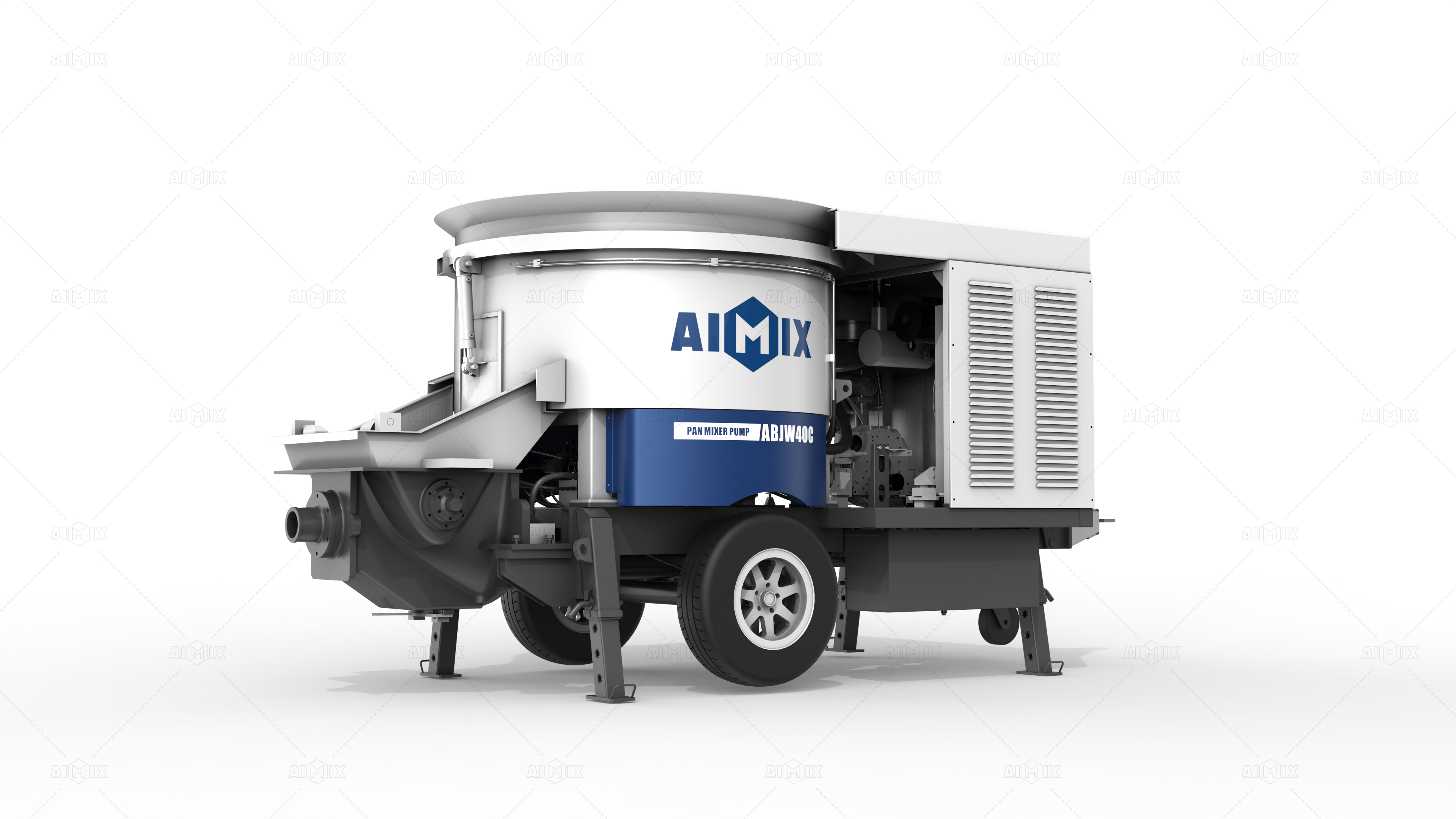
In the realm of concrete placement equipment, the price point of $25,000 represents a distinct and consequential threshold. This figure demarcates the frontier between rudimentary mixing tools and integrated, mechanized placement systems. A concrete mixer with pump operating at this investment level is not a luxury; it is a calculated tool for specific operational scenarios. It embodies a deliberate compromise between raw capability and financial accessibility. To understand what this sum truly procures, one must move beyond mere specifications and dissect the functional profile, the underlying financial architecture, and the pragmatic realities of deployment. This analysis provides a clear-eyed appraisal of the machine’s tangible value proposition, delineating precisely where it excels and where its limitations define its appropriate use.
The $25,000 Machine: A Functional Profile
For a budget of approximately $25,000, an investor enters the market for a compact, trailer-mounted concrete mixer pump combination. This is typically a volumetric mixer with an integrated piston or small-bore concrete pump. The capability envelope is clearly defined. Expect a machine with a mixing capacity in the range of 30 to 40 cubic yards per hour under optimal conditions, coupled with a pump capable of achieving horizontal reach distances of approximately 150 feet and vertical reaches of up to 80 feet. The concrete mix must be carefully formulated, often requiring a specific slump and aggregate gradation to pass smoothly through the pumping system without causing line blockages or undue wear. This is not a machine for high-rise construction or vast pours; it is a specialist for small to mid-scale projects where traditional ready-mix truck access is constrained or economically inefficient.
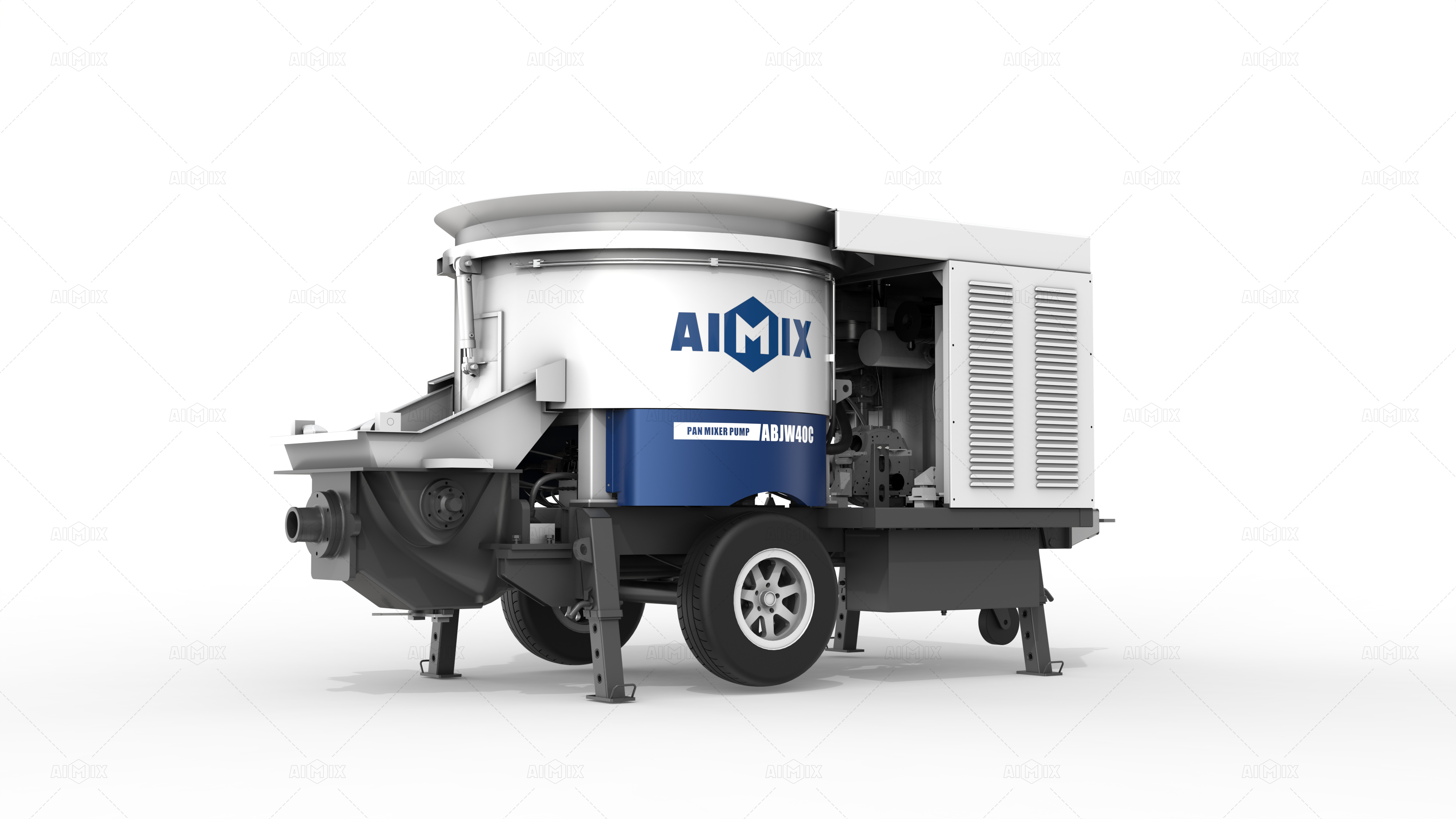
The operational process of such a unit is a symphony of coordinated mechanical functions. Aggregates, cement, and water are loaded into the machine’s onboard hoppers. The volumetric batching system then precisely meters these materials into the mixing drum, producing a continuous, on-demand stream of concrete. This freshly mixed material is fed directly into the pump’s hopper, where twin hydraulic pistons alternately draw in the mix and then thrust it through a pipeline system to the point of placement. The entire operation is managed from a central control panel, allowing a small crew—often just two or three individuals—to mix, pump, and place concrete with a level of precision and labor efficiency impossible with chutes, buggies, or manual methods. The machine’s value lies in this consolidation of disparate tasks into a single, mobile workflow.
Evaluating the Financial Architecture
The direct cost rationale for this equipment is rooted in its elimination of logistical intermediaries. By producing concrete on-site from raw materials, it renders obsolete the need for expensive ready-mix truck deliveries, along with their associated short-load charges and idle-time fees. For projects in remote locations or with difficult access—narrow lanes, low overhangs, or sensitive landscaping—the savings in avoiding crane-assisted placement or manual conveyance can be substantial. The machine transforms bulk material costs into finished, placed concrete at a known, controlled rate.
Beyond direct savings, the investment yields significant indirect efficiency gains. The most profound is the dramatic compression of project timelines. Continuous placement at a controlled pace minimizes cold joints and improves structural integrity. Labor is reallocated from strenuous, repetitive material handling to skilled tasks of setup, line management, and finishing. This reduces physical fatigue, increases safety, and allows a smaller crew to achieve a higher quality result in less time. The reduction in labor hours and the acceleration of the critical path schedule represent a powerful, though often less visible, financial benefit that directly enhances a contractor’s profitability and capacity for additional projects.
A comparative economic analysis against traditional methods is illustrative. For a series of small foundation pours, fence post settings, or slab work, the cumulative cost of multiple ready-mix truck deliveries, a pump truck rental, and extended labor can quickly surpass the operational cost of the mixer-pump. The $25,000 concrete mixer with pump price establishes a high fixed cost but a remarkably low variable cost per cubic yard thereafter. Its economic viability is therefore a function of volume and frequency; it becomes a strategic asset for contractors whose project pipeline consistently features work within its capability envelope. The investment is amortized not over a single job, but across a portfolio of projects where its unique efficiencies are repeatedly leveraged.

Strategic Deployment and Operational Realities
The optimal deployment of this equipment is on specific project typologies. It excels in residential foundations, rural construction, backyard swimming pools, retaining walls, and light commercial slabs. Sites with restricted access that preclude large trucks are its natural domain. Success, however, is contingent on meticulous planning. A consistent supply of aggregates, cement, and clean water must be staged at the site. The pump pipeline must be laid out with careful attention to minimizing sharp bends and securing supports to prevent dangerous line whip. The operator must possess a nuanced understanding of both machine mechanics and concrete rheology to adjust mixes and pressures in real-time, preventing debilitating blockages.
Ownership demands a commitment to maintenance and operational expertise. The hydraulic, pumping, and mixing systems require regular lubrication, inspection, and immediate cleaning after each use to prevent concrete from curing within the mechanisms. Wear parts, such as pumping cylinders, seals, and mixer blades, are consumables that must be budgeted for and replaced proactively. The machine is a precision instrument, not a blunt tool; its reliability is a direct reflection of the care invested in it. For the contractor who operates within its defined spectrum of work, who respects its requirements, and who calculates cost across a continuum of projects rather than a single invoice, a $25,000 small concrete pump machine is not an expense. It is a capital deployment that purchases autonomy, control, and a formidable competitive advantage in a specific and valuable market niche.

Comments
No comments yet. Be the first to react!