Introduction to Carbon Credit Accounting
Biochar carbon removal projects present a promising solution to combat climate change by sequestering carbon in a stable, long-term form. By converting organic materials into biochar through pyrolysis, carbon is locked away, preventing its release into the atmosphere. These projects can generate carbon credits, which represent a verified reduction in greenhouse gas emissions, and can be traded on carbon markets to offset emissions in other sectors.
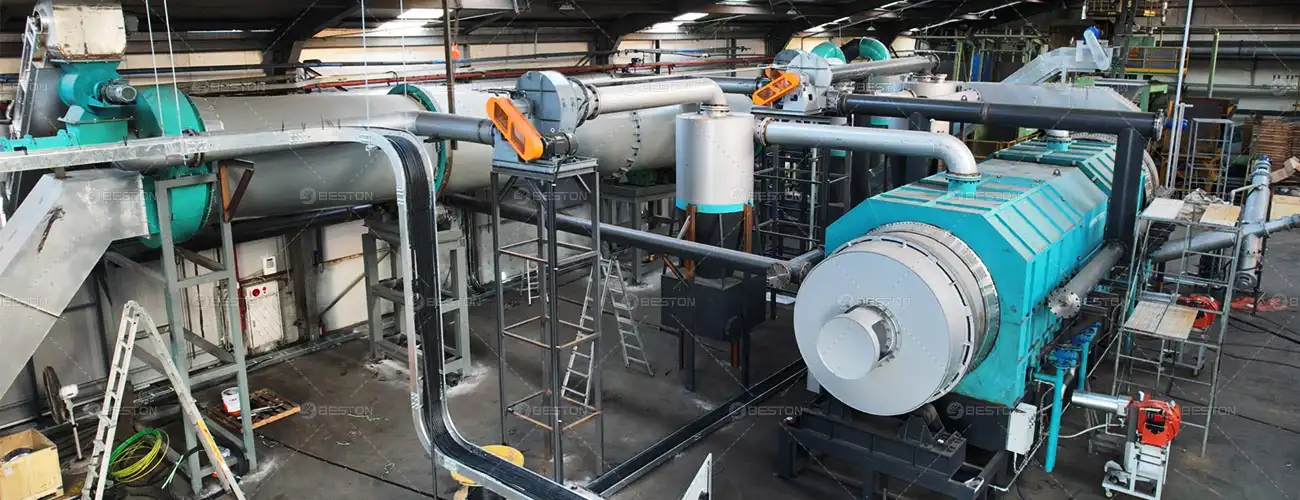
However, the process of generating carbon credits involves rigorous carbon accounting to ensure that the carbon sequestration claims are accurate, verifiable, and comply with established standards. This article explores the key elements of carbon credit accounting in biochar carbon removal projects, particularly those utilizing biomass pyrolysis plant.
Carbon Accounting Standards and Methodologies
International Standards for Carbon Credit Generation
For biochar carbon removal projects to be eligible for carbon credits, they must adhere to internationally recognized carbon accounting standards. These standards provide the frameworks and methodologies for measuring, verifying, and reporting carbon sequestration. Among the most prominent standards are the Verified Carbon Standard (VCS), the Gold Standard, and the American Carbon Registry (ACR).
These standards require that the carbon sequestration process be additional, meaning that the carbon removal would not have occurred without the project, and that it is permanent, ensuring that the carbon remains stored for a significant period. Projects must also demonstrate that they are not causing any negative environmental or social impacts.
Methodologies for Biochar Carbon Accounting
The calculation of carbon credits in biochar projects typically follows specific methodologies, which are designed to quantify the amount of carbon that is sequestered in the biochar and verify that it remains stable over time. The key steps in carbon accounting for biochar carbon removal projects include:
-
Baseline Emissions: Establishing the baseline emissions scenario is crucial for determining the amount of carbon sequestration achieved by the biochar project. The baseline represents the amount of carbon that would have been emitted if the organic material used for biochar production had been disposed of through other means, such as landfilling or incineration.
-
Carbon Sequestration in Biochar: The amount of carbon stored in biochar is calculated based on the feedstock composition and the biochar machine parameters. The carbon content of the feedstock is measured, and the percentage of carbon that remains in the biochar after pyrolysis is determined. Biochar produced from feedstocks like wood or agricultural residues tends to have a higher carbon retention rate than biochar derived from plastic or other synthetic materials.
-
Degradation Rates: Carbon credits must also account for the long-term stability of the biochar. Biochar can degrade over time, and the rate of degradation depends on several factors, including the conditions under which it is stored and the nature of the feedstock. Standard methodologies incorporate models of biochar degradation, which estimate how much carbon will be lost over time. This allows for a more accurate assessment of the net carbon sequestration achieved by the project.
-
Permanence and Risk of Reversal: For a biochar project to generate carbon credits, it must demonstrate that the carbon sequestered in the biochar is permanently stored and not subject to significant risk of reversal. This could include risk factors such as biochar being degraded or released back into the atmosphere through environmental disturbances or poor storage practices. These risks must be quantified and addressed through project design and mitigation measures, such as monitoring and verification plans.
Verification and Third-Party Auditing
Independent Verification of Carbon Credits
Verification is a crucial step in ensuring that the carbon credits generated by a biochar carbon removal project are legitimate and reflect actual sequestration. Independent third-party verification is typically required to confirm that the project adheres to carbon accounting standards and methodologies.
During the verification process, auditors assess the project’s carbon accounting procedures, review monitoring data, and verify the amount of carbon sequestered in the biochar. This includes reviewing the feedstock sourcing, pyrolysis process parameters, and degradation models used in the carbon accounting calculations. The auditors also evaluate the permanence of the carbon storage and the risk of reversal.
After the verification process is complete, the auditors issue a certification that confirms the amount of carbon credits generated by the project. This certification is essential for ensuring the credibility of the carbon credits and enabling them to be traded on carbon markets.
Role of Carbon Credit Registries
Once verified, carbon credits are registered in a carbon credit registry, which tracks the issuance, transfer, and retirement of carbon credits. These registries, such as the VCS Registry or the Gold Standard Registry, provide transparency and ensure that carbon credits are not double-counted or misused.
The carbon credits are then made available for sale or trading in carbon markets. Organizations or governments seeking to offset their emissions can purchase these credits, supporting the biochar project while fulfilling their own carbon reduction targets.
Challenges in Biochar Carbon Credit Accounting
Feedstock Variability and Uncertainty
One of the challenges in biochar carbon credit accounting is the variability in feedstock types. Different feedstocks have different carbon contents and sequestration potential, and the efficiency of the pyrolysis process can also vary. For instance, biochar produced from wood or biomass with a high lignin content tends to sequester more carbon than biochar made from materials with lower carbon content.
To account for this variability, carbon accounting methodologies must incorporate detailed information on feedstock composition and its impact on carbon sequestration. However, accurately predicting the amount of carbon that will remain in biochar over time can be complex, especially for mixed feedstocks or less-studied materials.
Long-Term Monitoring and Verification
Another challenge is the long-term monitoring and verification of biochar projects. Since biochar is designed to sequester carbon for hundreds or even thousands of years, ongoing monitoring is essential to ensure that the carbon remains stored. This requires robust monitoring systems, which can be resource-intensive and costly to maintain.
Verification also becomes more challenging over time as the project moves into its later stages. Although biochar is generally stable, environmental conditions such as temperature, moisture, and microbial activity can influence its degradation, which requires continuous assessment.
Risk of Carbon Reversal
The risk of carbon reversal, where the stored carbon is released back into the atmosphere, is another significant concern. This risk arises if the biochar is not managed properly, such as through inappropriate storage or application in soils that lead to accelerated degradation. Carbon reversal can also occur if external factors, such as fires, floods, or soil erosion, disrupt the carbon storage.
To mitigate this risk, biochar projects must include risk management plans that address potential reversals. These plans may involve specific actions, such as using stabilizers in the biochar or monitoring storage conditions, to reduce the likelihood of carbon being released.
The Future of Biochar Carbon Credit Projects
As the global demand for carbon removal solutions increases, the biochar sector is expected to expand, with more projects emerging to generate carbon credits. Improved methodologies, advancements in pyrolysis plant technology, and enhanced verification systems will contribute to the future success of biochar carbon credit projects. However, addressing the challenges of feedstock variability, long-term monitoring, and carbon reversal risks will be essential for maintaining the credibility and scalability of biochar-based carbon credits.
In conclusion, carbon credit accounting is a critical aspect of biochar carbon removal projects. It ensures that these projects provide real, verifiable carbon sequestration benefits and allows them to participate in global carbon markets. By adhering to rigorous standards and methodologies, biochar projects can play a vital role in achieving climate change mitigation goals.

Comments
No comments yet. Be the first to react!