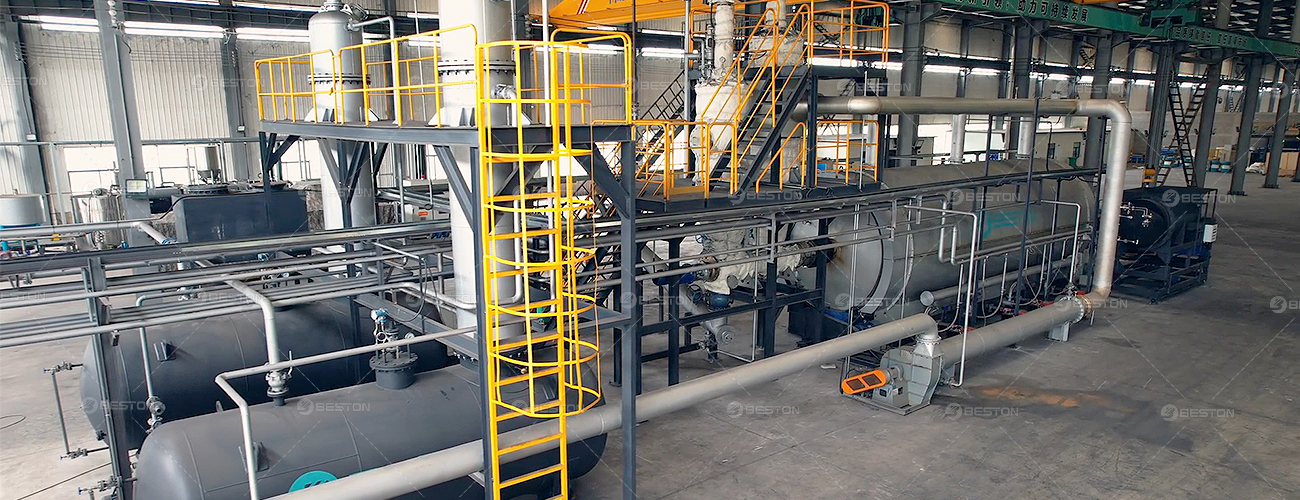
Thermal Desorption Unit (TDU) technology has become an effective solution for treating oil sludge generated by refineries, oil fields, storage tanks, drilling operations, and petrochemical facilities. By heating oil sludge under controlled conditions, the process separates hydrocarbons, water, and mineral solids, enabling resource recovery while reducing hazardous waste. However, the thermal desorption process also generates off-gas containing hydrocarbons, water vapor, particulate matter, and trace pollutants. Proper off-gas treatment is therefore a fundamental component of every TDU project, ensuring environmental compliance, operational safety, and stable long-term performance.
Rather than treating exhaust management as a downstream requirement, modern TDU systems integrate off-gas treatment into the overall process design. This approach maximizes energy recovery while minimizing atmospheric emissions and equipment degradation.
Characteristics of Off-Gas Generated During Thermal Desorption
Inside thermal desorption unit, oil sludge is heated in an oxygen-limited environment to volatilize hydrocarbons and moisture without initiating full combustion.
The resulting off-gas typically contains:
- Light hydrocarbon gases
- Water vapor
- Volatile organic compounds
- Fine particulate matter
- Acidic compounds, depending on sludge composition
- Trace sulfur-containing gases
- Residual heavy hydrocarbon vapors
The exact composition depends on several variables, including sludge origin, hydrocarbon concentration, operating temperature, residence time, and process configuration. Without appropriate treatment, these emissions can affect air quality, reduce equipment reliability, and increase regulatory risks.

Meeting Environmental Emission Standards
Environmental regulations governing industrial emissions have become increasingly stringent, particularly for facilities handling hazardous waste and petroleum residues.
Untreated oil sludge pyrolysis plant exhaust may contain pollutants such as:
- Volatile organic compounds (VOCs)
- Carbon monoxide
- Fine particulate matter
- Sulfur-containing compounds
- Condensable organic aerosols
Releasing these substances directly into the atmosphere may result in non-compliance with environmental permits and increased environmental liabilities.
An integrated off-gas treatment system significantly reduces pollutant concentrations before final discharge, supporting compliance with local and international emission standards while minimizing environmental impact.
Improving Operational Safety
Many gases released during thermal desorption are combustible. If combustible gases accumulate within process equipment or enclosed spaces, they may create fire or explosion hazards.
A properly designed off-gas treatment system improves plant safety by:
- Maintaining controlled gas flow
- Preventing excessive pressure accumulation
- Removing combustible condensable materials
- Supporting continuous gas monitoring
- Stabilizing combustion during gas utilization
Combined with gas detection systems, automatic shutdown controls, and pressure protection devices, effective off-gas management forms an essential layer of industrial process safety.
Recovering Valuable Energy
One of the advantages of TDU technology is the ability to recover hydrocarbons from waste streams. In addition to liquid oil recovery, combustible process gas can also serve as a valuable energy source.
Following appropriate treatment, recovered gas may be reused for:
- Burner fuel
- Reactor heating
- Thermal oil systems
- Auxiliary heating equipment
Recycling process gas reduces external fuel demand, improves thermal efficiency, and lowers operating costs. Energy recovery also decreases the overall environmental footprint of the treatment process by maximizing resource utilization.
Protecting Process Equipment
Raw off-gas often contains condensable heavy hydrocarbons, fine dust, and corrosive compounds that can negatively affect downstream equipment.
Without proper treatment, contaminants may lead to:
- Pipeline fouling
- Burner instability
- Heat exchanger blockage
- Increased corrosion
- Higher maintenance frequency
- Reduced equipment lifespan
By removing contaminants before gas reuse or discharge, off-gas treatment improves equipment reliability and supports continuous plant operation.
Supporting Stable Process Performance
Consistent gas quality contributes directly to stable thermal desorption performance.
If recycled process gas contains excessive moisture, tar, or particulate matter, combustion efficiency may fluctuate, resulting in unstable reactor temperatures and inconsistent oil recovery.
Modern treatment systems stabilize gas composition through staged cleaning and conditioning. This enables automated control systems to maintain precise operating temperatures, improving process efficiency and ensuring consistent treatment performance.
Reliable off-gas management therefore contributes to both environmental protection and production stability.
Typical Components of a TDU Off-Gas Treatment System
The configuration of an off-gas treatment system depends on project capacity, sludge characteristics, and environmental requirements. Nevertheless, several components are commonly incorporated into industrial TDU facilities.
Cyclone Separator
Cyclones remove coarse particulate matter through centrifugal separation, reducing the solid load entering downstream equipment.
Condensation System
Condensers cool process gas to recover liquid hydrocarbons and remove water vapor. Efficient condensation improves oil recovery while protecting downstream components from contamination.
Gas Cleaning Unit
Additional treatment equipment may include filtration systems, scrubbers, or other purification technologies that remove residual particulate matter, acidic compounds, and volatile contaminants.
Secondary Combustion Chamber
Residual combustible gases and volatile organic compounds can be oxidized at high temperatures within a secondary combustion chamber. This process reduces organic emissions while improving overall energy utilization.
Emission Stack and Monitoring System
After treatment, cleaned exhaust gas is discharged through an appropriately designed emission stack. Continuous monitoring systems may measure parameters such as particulate concentration, oxygen content, carbon monoxide, sulfur dioxide, and flue gas temperature to verify regulatory compliance and operational performance.
Off-Gas Treatment as a Strategic Engineering Investment
The value of off-gas treatment extends far beyond emission control. It enhances operational safety, improves equipment reliability, supports energy recovery, reduces maintenance requirements, and strengthens overall project sustainability.
Although advanced treatment systems require additional capital investment, they often deliver long-term economic benefits through improved fuel efficiency, reduced equipment downtime, extended service life, and lower environmental compliance costs.
As environmental regulations continue to evolve and expectations for industrial sustainability increase, comprehensive off-gas treatment has become an indispensable element of modern TDU oil sludge treatment projects. Facilities that integrate efficient gas cleaning, energy recovery, process monitoring, and emission control into their system design are better positioned to achieve safe, reliable, and environmentally responsible operation throughout the project lifecycle.

Comments
No comments yet. Be the first to react!