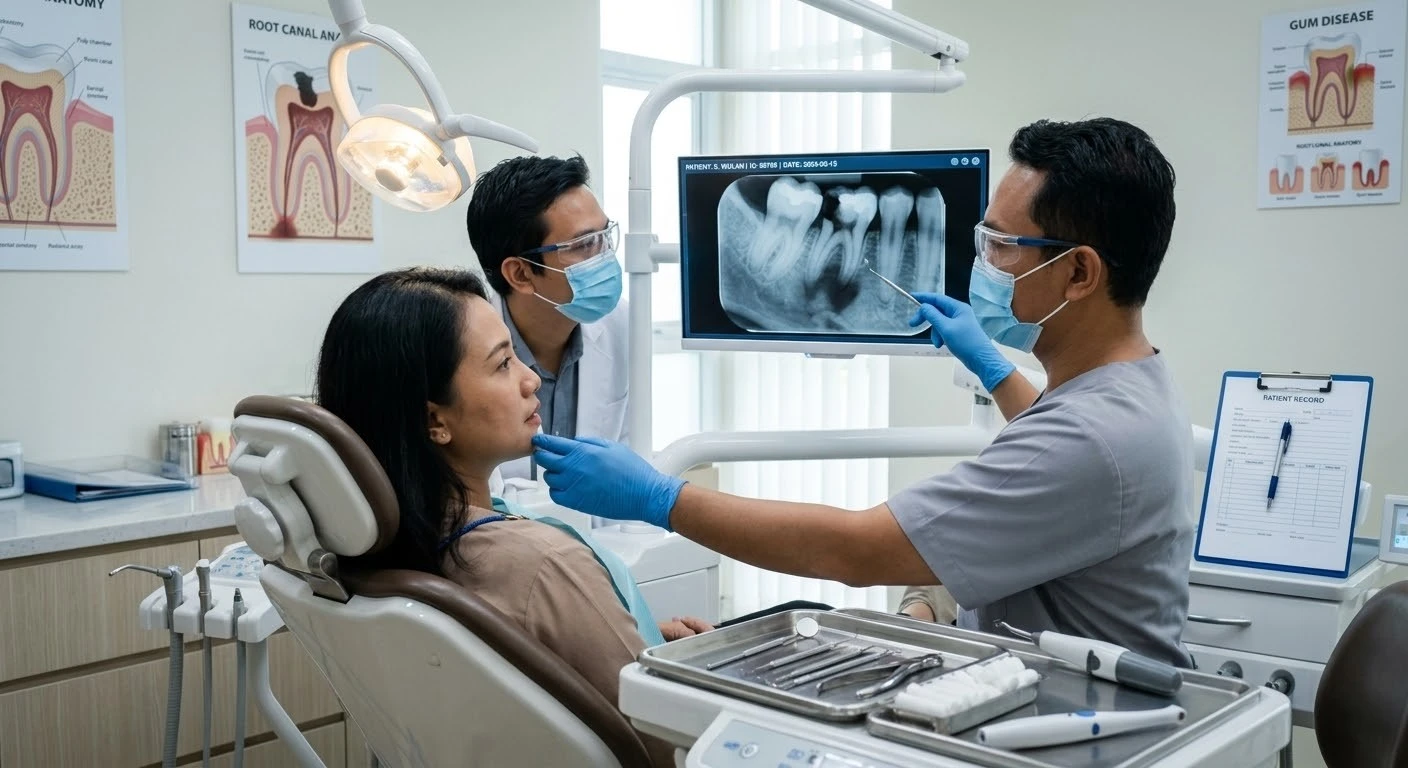
Root canal therapy suffers from perhaps the worst public relations of any dental procedure. This reputation is built on antiquated notions rather than modern reality. The truth is far less dramatic: this treatment simply removes damaged tissue to save a tooth that would otherwise die. Ignoring the warning signs never leads to spontaneous healing—it leads to extraction.
Your body has sophisticated ways of signaling trouble. Deep inside every tooth sits the pulp, living tissue containing nerves and blood vessels. When decay or trauma reaches this inner chamber, root canal treatment becomes the only way to preserve the tooth. Knowing whether your symptoms indicate surface irritation or deep infection requires understanding what to look for.
You don’t need to endure agony before seeking help. Several clear indicators reveal when pulp health has been seriously compromised. Here are five warning signs that should motivate you to visit a dentist at Clementi to discuss saving your natural tooth.
1. The Sensitivity That Won’t Quit
Almost everyone experiences occasional sharp sensations from cold drinks or frozen treats. When these feelings fade within seconds, they usually indicate minor enamel wear or slight gum recession—nothing alarming.
The red flag appears when sensitivity lingers for minutes or hours after the stimulus is gone. If hot coffee, cold air, or sweet foods trigger prolonged discomfort, your pulp nerve is clearly inflamed. This extended response shows that bacteria have penetrated through the hard outer layers of your tooth, reaching the soft pulp chamber. They typically enter through deep cavities or tiny cracks you might not even notice. Once inside, they cause the nerve to react intensely to temperature changes. This pattern is one of the strongest predictors that root canal therapy will be necessary.
If you’re experiencing this persistent sensitivity, contacting a dentist near Clementi quickly can prevent the infection from destroying more of your tooth structure.
2. Pain That Comes With Pressure
Feeling tired after chewing tough steak is perfectly normal. But when a specific tooth hurts every time you bite down, something is wrong beneath the surface. Many people unconsciously start chewing on the other side, convincing themselves it’s just muscle soreness.
As the pulp tissue dies, the internal nerve stops working properly. However, the bone and ligament surrounding the tooth root remain very much alive. Infection pooling at the root tip creates inflammation in the surrounding bone. Each bite forces pressure onto this irritated area, causing sharp, dull, or throbbing pain. Unlike cavities that hurt when sugar touches them, this mechanical pain means the tooth has lost its structural integrity. Without treatment to clean out the infection, the tooth may become loose.
A skilled dentist at Clementi can perform simple tests to determine if the pulp has died and whether root canal treatment is the right solution.
3. One Tooth Standing Out in Color
Gradual yellowing of your entire smile from coffee, tea, or tobacco is a normal part of aging. But when a single tooth turns gray, brown, or noticeably darker than its neighbors, internal damage is occurring.
This happens when the blood supply to that tooth gets cut off. Just like a bruise darkens as blood cells break down, pigments from decomposing blood tissue stain the dentin layer beneath your enamel. This color change might develop slowly, sometimes appearing months after a facial injury, sports accident, or deep chip. You might feel no pain at all, yet the darkened tooth signals dead pulp that needs professional attention to prevent future abscesses.
Regular check-ups with a dentist near Clementi can catch these color changes early, often before infection spreads to the surrounding bone.
4. Bumps or Swelling on Your Gums
Healthy gums look pink and feel firm to the touch. When you notice a localized swelling or a small bump that looks like a pimple on your gum tissue, your body is trying to manage an active infection.
These bumps are called sinus tracts—your immune system’s attempt to create a drainage pathway for pus from an infected tooth. Bacteria inside the root produce pus as they destroy tissue; your body responds by tunneling through bone to create an exit on the gum surface. Pressing on these bumps might release foul-tasting fluid. In more serious cases, swelling spreads to your cheeks or jaw, and nearby lymph nodes may become tender. Antibiotics might help temporarily, but they can’t eliminate the infection source inside the tooth itself.
Finding a dentist at Clementi who offers emergency appointments ensures you receive definitive treatment before the infection progresses further.
5. Cracks or Cavities You Can See
Sometimes you know exactly what caused your symptoms. Maybe you bit down on an unexpected bone, or a filling you’ve had for years finally fell out. Any significant opening in the tooth’s surface creates a serious problem.
Your mouth contains millions of bacteria, and many can cause disease if they reach the tooth’s interior. A visible crack acts as a direct highway to the pulp chamber. If you can see or feel a fracture line—especially if your tongue catches on a rough edge—the risk of pulp infection is substantial. Similarly, what looks like a small cavity on the surface may actually tunnel deep toward the pulp. Once bacteria reach this inner tissue, your body can’t fight off the infection without professional help.
Establishing care with a dentist at Clementi before emergencies happen means you’ll have a trusted provider ready when urgent situations arise.
Taking the Next Step
Recognizing these warning signs is important, but acting on them is crucial. Dental infections always get worse without treatment. What begins as a routine root canal can turn into a surgical procedure if you wait too long.
For those living in the Clementi area, choosing the right dental professional makes a real difference. You want someone who takes time to understand your symptoms and explains your options clearly. If you’re nearby, start by looking for a dentist near Clementi who keeps slots open for urgent cases. Being close to your provider reduces stress when you’re in pain.
Additionally, reading online reviews or asking friends for recommendations helps you find a reliable dentist at Clementi. Practices that are part of the community often provide more personalized attention. They’ll guide you through any necessary X-rays and tests without rushing you. The goal is an accurate diagnosis that leads to the right treatment, not pressure to commit immediately.
Why Acting Fast Matters
Many people worry that root canal procedures are risky or incredibly painful. Modern dental techniques have made this treatment quite comfortable—local anesthesia works very well, and most patients say it feels similar to getting a regular filling. The real danger is allowing the infection to continue and spread, potentially affecting nearby teeth, your jawbone, or even your overall health.
Saving your natural tooth should always be the priority when possible. While crowns, bridges, and implants are available, none perfectly replicate your own tooth’s function and sensation. If you notice any of these five warning signs, schedule an examination promptly. You don’t need to suffer through unnecessary pain. Effective treatment starts with a simple conversation.

Comments
No comments yet. Be the first to react!