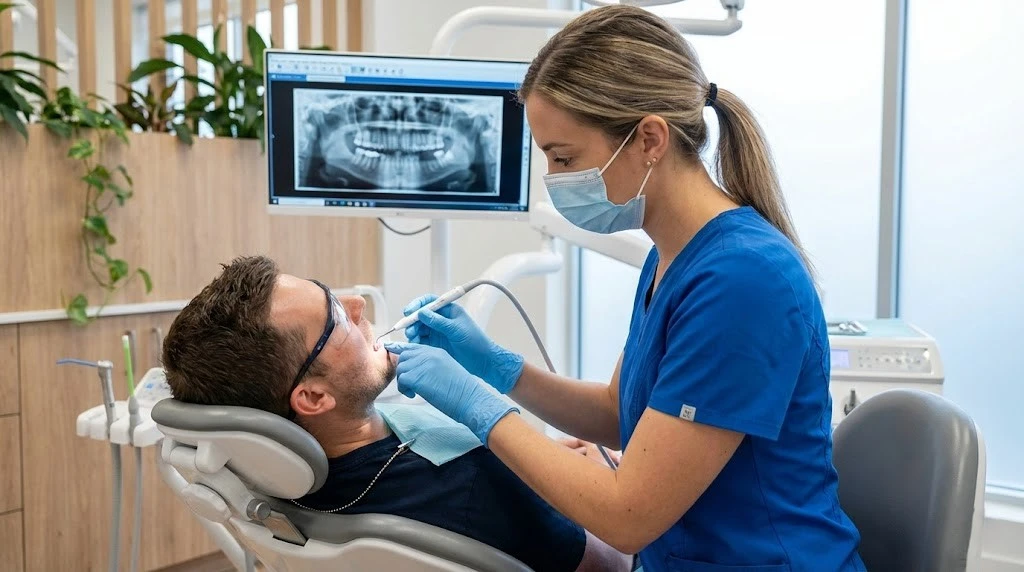
Dental implants have transformed the lives of countless individuals by providing a durable and natural-looking solution for missing teeth. However, the journey to a lifelong, healthy smile doesn’t end with the placement of the implants. Long-term care is essential to ensure that these implants remain functional and aesthetically pleasing for years to come. Just like natural teeth, implants require consistent attention and professional oversight to maintain their health and stability.
The Importance of Consistent Implant Maintenance
One of the most common misconceptions about dental implants is that they are maintenance-free once placed. While it’s true that implants do not decay like natural teeth, the surrounding tissues are still at risk of infection. Peri-implant disease, an inflammatory condition affecting the gums and bone that support the implant, is a significant concern. This condition often begins subtly, with mild redness or bleeding, and can escalate to bone loss if left untreated.
Implants lack the nerve feedback that natural teeth have, making it difficult to detect problems early on. This is why consistent care is crucial. Regular maintenance helps prevent issues and ensures that any potential problems are caught early.
Daily Cleaning: The Foundation of Implant Care
Daily cleaning is non-negotiable for maintaining dental implants. Plaque and bacteria can still accumulate, leading to gum irritation and other complications. Brushing twice a day with a soft-bristled toothbrush is recommended. Gentle pressure is key; aggressive brushing can damage the gums around the implant. Electric toothbrushes are often beneficial as they simplify technique and reduce the risk of overbrushing.
Cleaning between teeth is equally important. Flossing around implants removes plaque from areas that a toothbrush cannot reach. Special implant floss, interdental brushes with plastic-coated wires, or water flossers are all effective options. The best tool is the one you will use consistently. If you are unsure which tool is best for your implant design, consult with your dentist at Clementi or a dentist near Clementi during your next visit.
Choosing the Right Oral Care Tools
Not all oral care tools are suitable for dental implants. Hard bristles and metal interdental brushes can scratch the implant surface, creating a breeding ground for bacteria. Stick to soft brushes and non-metallic cleaning aids.
When it comes to toothpaste, avoid overly abrasive whitening toothpaste for daily use. These can wear down the surface of crowns and irritate gum tissue. A standard fluoride toothpaste is usually sufficient unless your dentist advises otherwise. Mouthwash can be helpful, but if recommended, opt for a non-alcoholic rinse to prevent drying and irritation of oral tissues.
Monitoring Gum Health
Healthy gums around implants should appear pink and firm, similar to those around natural teeth. Any bleeding during brushing or flossing is not normal and could indicate inflammation. Swelling, tenderness, or a persistent bad taste should also be taken seriously. These symptoms may not cause pain but can signal underlying issues. Early treatment is always preferable to managing advanced peri-implant disease.
The Role of Professional Maintenance
Even with excellent home care, professional cleaning is essential. Dental hygienists use specialized instruments to safely remove hardened plaque and calculus from implants. Regular check-ups also allow your dentist to monitor bone levels and implant stability using X-rays.
Most implant patients benefit from more frequent maintenance visits, especially in the first few years. Your dentist will tailor the frequency based on your gum health, smoking status, and medical history. If you live in the area, seeing a dentist at Clementi or a dentist near Clementi can make it easier to stay on schedule.
Habits That Impact Implant Health
Certain habits can significantly affect the longevity of your dental implants. Smoking is a major risk factor, reducing blood flow to the gums and interfering with healing and immune response. It can increase the risk of bone loss around implants even years after placement.
Teeth grinding is another concern. Excessive force can loosen implant components or damage the crown. Many people grind their teeth at night without realizing it. If you wake up with jaw tension or notice wear marks on your teeth, consider asking your dentist about a night guard.
Diet also plays a role. Sugary snacks and frequent acidic drinks can increase bacterial load and inflammation, affecting implants just as they do natural teeth.
Adapting to Changes Over Time
Your mouth undergoes changes over time, including gum recession, bone remodeling, and shifts in bite forces. These changes do not necessarily indicate implant failure but may require adjustments in maintenance. Implant crowns can wear or chip, and screws can loosen. Regular reviews help identify and address these issues early.
If you have had implants for many years and notice changes in their appearance or feel, schedule a check-up even if there is no pain. A dentist near Clementi can assess whether it’s a simple adjustment or something that requires closer attention.
Medical Conditions and Implant Care
Certain health conditions can impact implant maintenance. Poorly controlled diabetes, for example, increases the risk of gum inflammation and bone loss. Medications that reduce saliva flow can also raise the risk of infection by allowing bacteria to accumulate. If your medical history changes, inform your dentist. Implant care should adapt to your overall health.
Managing Routine Disruptions
Life’s disruptions, such as travel or stress, can throw off your daily routine. While implants are resilient, consistent care is crucial. When traveling, pack your cleaning tools and stick to a basic routine when life gets hectic. Even a simplified routine is better than skipping care altogether. Consistency over time is more important than perfection.
When to Seek Immediate Help
Some signs should not be ignored until your next routine visit. Persistent bleeding, pus, swelling, loosening of the implant crown, or sudden changes in bite should be checked promptly. Early intervention often means simple cleaning or medication, while delay can lead to more invasive procedures or implant loss.
A Realistic Approach to Implant Maintenance
Maintaining dental implants is not complicated but does require commitment. Daily cleaning, regular professional care, and attention to changes are essential. Treat implants like natural teeth that need a bit more respect. If you are unsure whether your current routine is sufficient, bring your tools to your next appointment with a dentist at Clementi or a dentist near Clementi for feedback.
Final Thoughts
Dental implants can last for decades with proper care. Most failures are not due to poor surgery but to missed care, unrecognized inflammation, or delayed intervention. Good maintenance is about doing the right things consistently. Brush gently, clean between teeth daily, monitor your gums, and keep your reviews regular. By doing so, your implants will function comfortably, look natural, and support your smile for years to come.

Comments
January 27, 2026 07:59
Geometry Dash trained me to notice tiny mistakes before they caused failure. Awareness grew sharper with experience.